
Reigniting the Workforce from Disengagement in 2025
March 10, 2025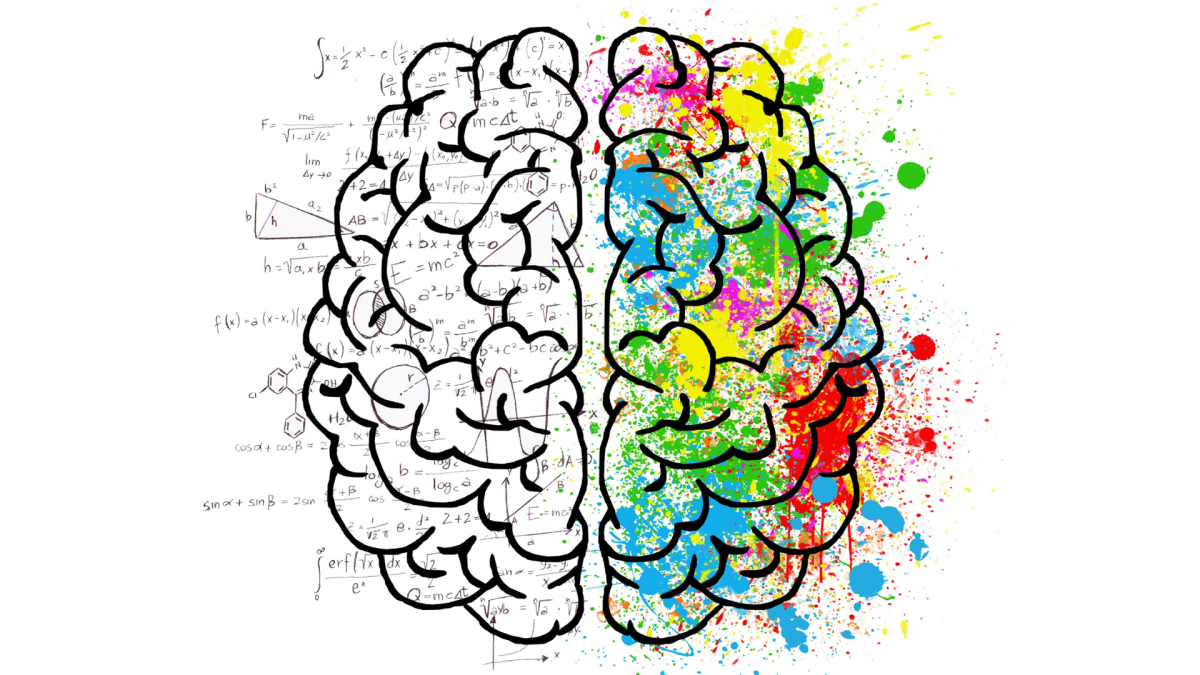
Building Stronger Corporations:
The Future of adults with ADHD
Attention Deficit Hyperactivity Disorder (ADHD): A little known attribute that many people are now finding a strength and growth opportunity for organizations.
ADD and Attention Deficit Hyperactivity Disorder (ADHD) are two areas that have been quite a challenge for both individuals and organizations for ages. Progressive companies are starting to realize the unique strengths people with ADHD offer, including their abilities to work faster with greater creativity. Drawing on these strengths can help companies succeed in a competitive, fast-paced, global economy.
The Unique Strengths of ADHD
Those with ADHD often have characteristics that perfectly suit the needs of 21st century businesses.
These traits include:
Those with ADHD are wired for innovative thought. They see connections that others don't, which often leads to creative solutions and bright ideas. This is a coveted asset in industries such as tech, marketing and design.
Although ADHD is characterized by problems with maintaining focus, there are many ADHD individuals who will experience hyperfocus when they encounter tasks that are engaging to them or that have some meaning. Honed in on this way can result in astonishing proactivity; and the finishing of complex pieces.
Being able to rapidly shift your focus and attention can lead to the ability to switch gears quickly, which is becoming more and more important in agile work environments, where responsibilities may change with little notice.
A common trait of those with ADHD has been spent pushing through adversity, developing inner strength, and discovering unconventional methods of working around barriers. These qualities make them beneficial players in high-pressure situations.
Teach managers and teams about the strengths and needs of employees with ADHD. Less stigma and more understanding mean that they can integrate and work together better.
Give ADHD employees access to mentors or coaches who can assist with challenges and leverage strengths.
Why Companies Should Pay Attention
Creativity, adaptability, and innovation are the drivers of success in the new world of work. For corporations that want to remain competitive, embracing neurodiversity—including ADHD—is not only a matter of inclusivity but a strategic business decision.
Organizations such as Google, Microsoft, and SAP have acknowledged the benefits of hiring neurodiverse individuals and have developed programs to hire and help these workers. Employees who are A.D.H.D. bring a different kind of perspective that bounds ideas in brainstorming sessions, product development and design, and strategy.
Diverse thoughts and problem-solving methodologies fuel collaboration. People with ADHD often bring high energy and enthusiasm, which can energize and inspire coworkers in the workplace.
Customers are now demanding more innovative products and services delivered in a personalized experience. Having different thinkers on your team is one way to make sure your business stays relevant and focused on customers.
How to Create an ADHD-Friendly Workplace
To unlock the potential of ADHD talent, businesses have to create environments enabling neurodiversity. Key strategies include:
Let employees choose their own environments and schedules so they could be most productive, including work-from-home and nontraditional hours.
Decompose them into smaller, more manageable, and less overwhelming components; provide clear deadlines and stick to them.
Use productivity tools such as task management apps, timers, and digital calendars to help you organize and prioritize.
The Future is Neurodiverse
So as corporations gaze toward the future, welcoming ADHD and other forms of neurodiversity is not merely an ethical imperative — it’s a competitive boon. Companies that foster environments enabling ADHD employees to excel not only access untapped potential but also establish themselves as leaders in innovation and inclusivity.
Some of the world’s greatest breakthroughs emerge from people who see the world differently. By highlighting and cultivating the distinctive strengths of individuals with ADHD, corporations are paving the pathway for a brighter, more vibrant future for all parties.
Does ADHD Have a Place in Corporate life?
Attention Deficit Hyperactivity Disorder (ADHD) has historically been viewed as a set of challenges in the context of the individuals and organizations it affects. However, as the workplace changes, progressive companies are starting to see the expansive abilities professional with ADHD possess. By leveraging these strengths, businesses can set themselves up for success in an increasingly competitive and fast-paced global market.
The Unique Strengths of ADHD
ADHD entrepreneurs possess traits essential to thriving in today’s new business world. These traits include:
Creativity and Innovation: The ADHD brain is built for thinking outside the box. They make connections that others may overlook, resulting in both creative solutions and out-of the-box concepts. This talent for thinking differently can pay dividends, especially in domains such as tech, marketing and design.
Hyper-focusing Productively: ADHD is generally correlated with trouble maintaining attention, but many people hyperfocus when completing a task they find exciting or relevant. While their focus may border on obsessive, it also allows for great productivity and completion of projects that require many layers of thought.
Versatility: The ability to quickly refocus on something else can also manifest itself as an ease of toggling between tasks, a skill that is ever-more important in the agile work environments that exist today, where work priorities can shift in a heartbeat.
Work Ethic and Determination: Many people with ADHD have spent a lifetime rising to challenges and building resilience and creating alternative pathways over barriers. All these traits lead to them being great and valuable assets in a high-pressure environment.
Why the ADHD Brain Works the Way It Does
There are scientific studies that have shown that ADHD brain processes information differently from the ADHD brain. These differences translates into the unique strengths of and challenges associated with ADHD. For instance:
Dopamine Dysregulation: Research has found that those with ADHD frequently exhibit reduced levels of dopamine, a neurotransmitter that plays an important role in receiving pleasure and the associated action of motivation (Volkow et al., 2009). That difference can be what fuels the need for stimulation and newness, which breeds creativity and innovation.
Executive Functioning: Individuals with ADHD experience a heterogeneous pattern of development in the prefrontal cortex responsible for planning, impulse regulation, and decision-making (Shaw et al., 2007). Though this can make them more disorganized, it pushes them towards unorthodox strategies when seeking solutions.
Default Mode Network (DMN) The Default Mode Network (DMN), a brain network associated with daydreaming and creativity, is often more active in ADHD brains (Sripada et al., 2014). This increased activity is part of the spontaneous, innovative ideas which are common in an ADHD brain.
Disrupted Connectivity: Studies show that brains with ADHD might have increased connectivity between some areas of the brain, resulting in distinctive methods of processing information (Castellanos & Proal, 2012).
What Corporations Need to Pay Attention To
Creativity, adaptability and innovation are the drivers; the global workforce is transforming. The bottom line is this: for companies that want to remain competitive, attracting and retaining neurodiverse talent, such as those with ADHD, is not just best-practice inclusive, it is also smart business.
Fueling Change: Tech Giants like Google, Microsoft, and SAP have invested in programs to hire and nurture neurodivergent talent, understanding the unique strengths they bring. ADHD Employees Bring New Perspectives to Brainstorming, Product Design and Strategy Employees with ADHD contribute to brainstorming sessions, product design, and strategy with boundary-pushing perspectives.
Improved Team Performance: Diversity in thought and problem-solving approaches leads to vibrant teamwork. They can be a great source of energy — people with ADHD are often high-energy and enthusiastic, which can motivate others.
New Age of Customer Alignment: Customers have higher expectations than ever before from brands, they expect creativity, novelty, and relevance in what is offered. Embracing diversity of thought not just ensures relevance but ensuring customer alignment as well.
Developing a Work Environment that is Friendly to ADHD
Corporations need to create an environment that nurtures neurodiversity and helps discover the merits of ADHD talent. Key strategies include:
Flexible Work Structures: Give employees the options of environments and schedules that will maximize their productivity — including remote work and nontraditional hours.
Task Design: Help employees stay organized by breaking tasks down into chunks and giving clear deadlines.
Technology and Tools: Use productivity tools such as task management apps, timers, and digital calendars to aid you in organization and prioritization.
Add stress relief tools such as Access Bars that will help these talented people and others become more in their zone of excellence.
This is the last but not the least point of any good information to be trained and make aware of appropriate training methods and steps to take for yourself in order to know the strengths and needs of the person who has ADHD, that means managers and teams should be well aware of what are the definite methods which need to keep in mind. When stigma is reduced and understanding is encouraged the better the integration and performance.
Mentorship and Coaching: Where all else fails, provide the opportunity for mentors or coaches that can help ADHD employees navigate their challenges and strengths.
The Future is Neurodiverse
As companies gaze into next-gen futures, accepting ADHD and other models of neurodiversity is not only an ethical imperative — it’s a competitive advantage. By fostering environments in which ADHD employees can thrive, companies unleash untapped potential and position themselves at the forefront of innovation and inclusivity.
Our world’s greatest breakthroughs are often built by people who see the world in a different way. This enlightenment is essential to create a more enriching and dynamic future for corporations that choose to meet the innate talents of individuals with ADHD head-on, embrace them, and celebrate them.