The Evolution of Coffee: How times have changed!
March 3, 2025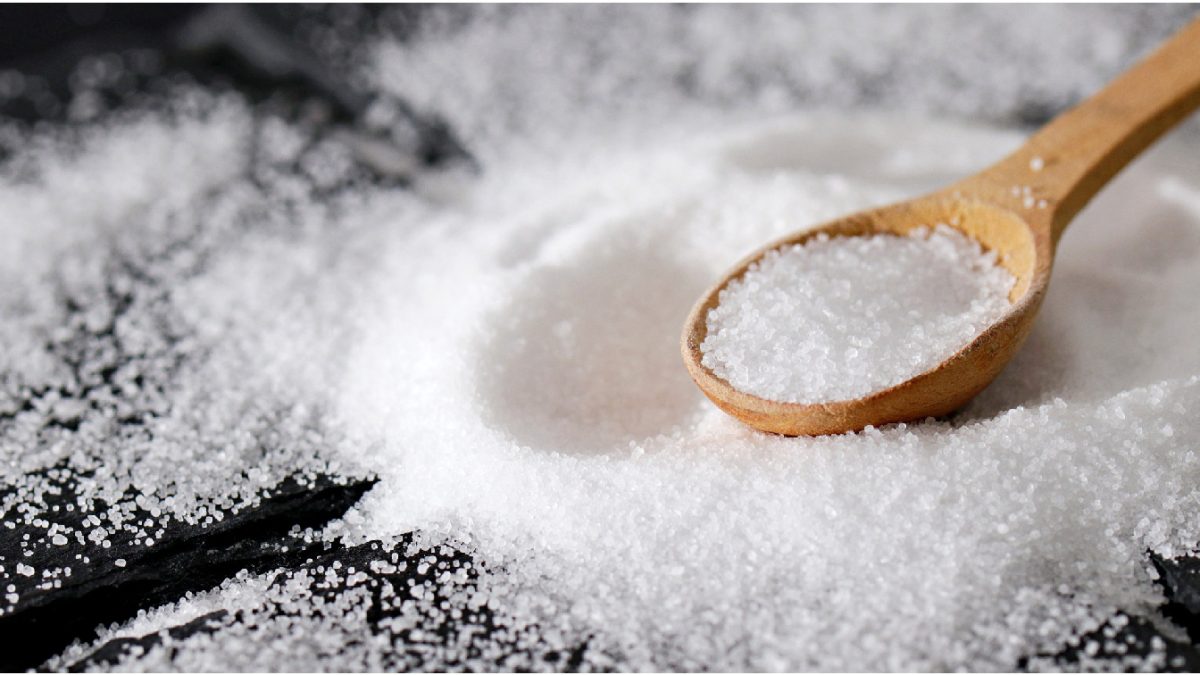
Salt, Essential Nutrient to
Dietary Villain to Dietary Hero
For thousands of years, salt (sodium chloride, or NaCl) has been an essential part of human civilization. From its original use to preserve food in ancient times to its use today as a seasoning for meals, salt is both a necessity for our bodily functions as well as a culinary staple. But its standing has varied drastically within the medical and scientific communities. Category: Once a staple, salt later became a dietary evil associated with high blood pressure and cardiovascular disease. But for the past few decades we have been learning that such claims are an overreaction, and that the effects of saturated fats are more nuanced than we originally thought. Salt’s fast journey from vilification to rediscovery as a necessity reflects metabolic science’s evolution, and the intertwined, complex drivers of human health.
Salt, historically, has been considered an essential commodity. Ancient societies valued it so much it was used as currency, and its part in food preservation was irreplaceable before refrigeration. Its role in body processes, like the transmission of nerve impulses and the contraction of muscles and maintenance of fluid balance, has been known for centuries. Still, worries about high salt consumption and its health effects began to arise as early as the mid-20th century.
The perception that salt could be harmful took hold beginning in the 1950s, when studies found a connection between high sodium levels and hypertension. Pioneering work by Lewis Dahl showed that feeding rats very high doses of salt was enough to raise blood pressure and triggered worry that sodium intake in humans could lead to hypertension and by extension, heart disease (Dahl, 1972). This study, paired with epidemiological studies from the Framingham Heart Study, brought more scrutiny to salt’s role in cardiovascular health. By the 1980s, prominent health organizations such as the American Heart Association (AHA) and the World Health Organization (WHO) recommended the reduction of salt as a public health initiative to prevent complications related to HTN (Stamler et al., 1993). Public health campaigns, dietary guidelines, and even government regulations on labels and sodium content in processed foods reinforced the idea that salt intake needed to be curbed.
But as research methods improved, skepticism about the rigid reduction of salt began to grow. By the 1990s and early ’00s, new research suggested that salt might not be as harmful as had once been thought. Some of these individuals—especially those with salt-sensitive hypertension—exhibited blood pressure reductions with lower sodium intake while others did not have any meaningful effects (Weinberger, 1996). So they came to understand that people vary widely in their salt sensitivity, some people needing to limit salt, while others do not, making universal salt restriction a potentially inappropriate recommendation.
Then there was the complication of studies starting to indicate that not enough salt could be unhealthy too. Several research suggested that when sodium restriction is too low, renin and aldosterone hormones that regulate blood pressure in the body while they rise can also cause insulin resistance due to excessive sodium restriction (Graudal et al., 2012). Moreover, J-shaped associations were identified in large-scale epidemiological studies between sodium intake and health outcomes, such that both very high and very low sodium intake were associated with elevated mortality risk (Mente et al., 2014). These results contradicted the existing notion that lower salt intake was advantageous for the general population and proposed that an ideal spectrum of sodium consumption, and not minimum intake, might be the healthiest option.
Today, salt’s reputation is more nuanced, having evolved from a universal dietary villain to one that much depends on the size and health of your heart and blood vessels. Though overconsumption — especially of foods high in added sugars — remains a worry, total avoidance or extreme restriction isn’t widely recommended anymore. Although currently recommendations are for a more balanced approach, focusing on whole, less processed foods that supply not just sodium but also potassium, to mitigate the effects of sodium on blood pressure (O’Donnell et al., 2014).
The history of salt shows how scientific understanding is not static: it changes over time. What had long been regarded as an inarguable health threat is now recognized as more complicated, one that calls for tailored eating advice. Though high sodium intake can be harmful for certain people, high restriction can also have effects you don’t expect. Modern nutrition science talks about balance, and regards salt as a necessary food substance that should be eaten in the right amounts, not eradicated completely from the diet.
References
Dahl LK. Salt and hypertension. American Journal of Clinical Nutrition. 1972;25(2):231–244.
Graudal NA, Hubeck-Graudal T, Jürgen G. Effects of low sodium diet versus high sodium diet on blood pressure, renin, aldosterone, catecholamines, cholesterol and triglyceride. American Journal of Hypertension; 2020; 33 (10): 938–947. 2012;25(1):1–15.
Mente A, O’Donnell M, Rangarajan S, et al. J Am Soc Nephrol 2017; 28: 2564–2578. {{"der-link"}} The New England Journal of Medicine. 2014;371(7):601–611.
O’Donnell M, Mente A, Rangarajan S, et al. Mortality, urinary sodium and potassium excretion, and cardiovascular events. New England Journal of Medicine. 2014;371(7):612–623.
Stamler J, Stamler R, Neaton JD. Blood pressure, systolic and diastolic, cardiovascular diseases. Archives of Internal Medicine. 1993;153(5):598–615.
Weinberger MH. Blood pressure salt sensitivity in humans Hypertension. 1996;27(3):481-490.